
Therapy for Midlife Women in Brooklyn, MI
Do You Feel Like You’ve Lost The Plot?
Have you reached midlife wondering when you stopped writing your own story? After decades of following the script you were handed—putting everyone else first, being the reliable one, holding it all together—do your own dreams feel like they belong to someone else entirely?
Maybe you're exhausted from playing a role that was never fully yours. Or maybe, underneath the exhaustion, something fiercer has been building. A rage you don't quite know what to do with.
You're starting to question the narrative you've been living. The one where your needs always come last. Where "selfish" is the worst thing you could be. Where rest feels like failure and asking for help feels like weakness.
What if you didn't lose the plot—you just outgrew the story that was written for you?
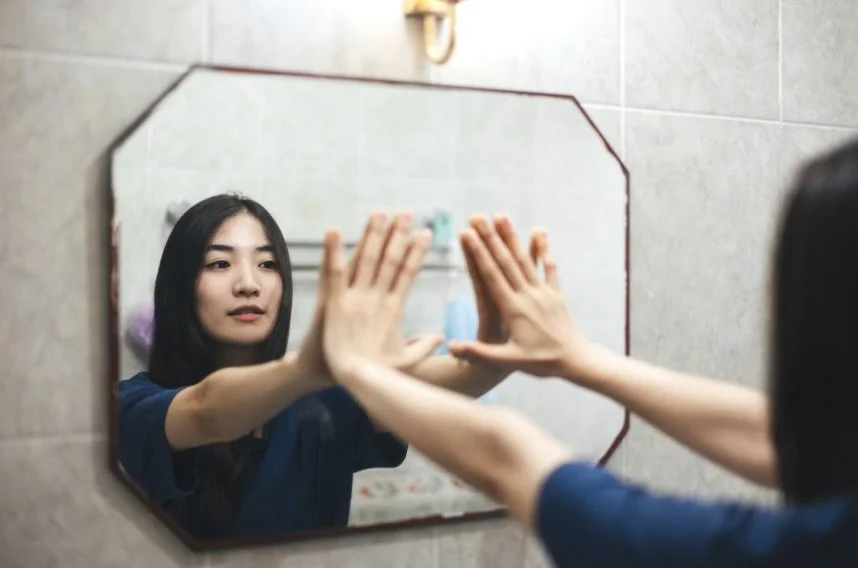
Midlife Hits Like An Earthquake
You might start most days already exhausted, sleepwalking through a routine that feels like someone else's life. Your thoughts race between endless to-do lists and the weight of a world that seems to be unraveling. When it becomes too much, you reach for food, scrolling, anything to numb the noise, only to spiral into self-criticism afterward.
Sometimes it shows up as irritability you can't explain. A flash of fury at something small that's really about something enormous. A resentment that's been building so long you've stopped noticing it, until it becomes impossible to ignore. The realization that you feel unsupported and undervalued. Like you've been pouring yourself out endlessly while slowly disappearing. Craving connection but unable to remember the last time you felt truly seen.
The good news is, therapy designed specifically for women in the messy awakening of midlife is available. Working with an integrative women's therapist can help you do what feels impossible right now: name your desires out loud, prioritize your own needs without apology, and reconnect with the inner wisdom that's been waiting for you to listen. Together, we'll unearth the voice that's been buried under years of should-ing yourself to death.
Have any questions about therapy for women? Let’s connect.
Women Are Socially Conditioned To Please Others
As women, we didn't arrive at this exhaustion by accident. We were shaped for it. From girlhood, we were taught to be nice, smile, and mind our manners. To monitor how we look from the outside rather than how we feel on the inside.
After adding decades of emotional labor—the constant low-level scanning, anticipating needs, managing moods, smoothing tensions before they surface—hypervigilance has become a way of life. But sometimes an anxious nervous system is just a nervous system that's been paying attention to everyone but ourselves.
When Self-Care Feels Like Rebellion
After years of conditioning teaching you to push through pain and show up even when your body screams for rest, turning toward yourself doesn't come naturally. It comes with guilt and the nagging feeling that you're failing everyone by finally saying no.
You were never taught to care for yourself the way you care for others. So when midlife demands it, when your body refuses to keep performing, you don't have the framework. The support. The permission.
This is where therapy that actually sees women makes all the difference—not as another item on your to-do list, but as a space to unlearn the patterns that got you here and build the boundaries, self-trust, and support you deserve.
Trauma-Informed Therapy Focused On The Lived Experience Of Women
Entering your 40s and 50s can feel disorienting. Everything you once counted on—your career, relationships, body, identity—shifts beneath you, and you're left wondering who you even are anymore. After decades of giving everything to everyone, following the rules, playing nice, exhausting yourself trying to be "enough"—your body is refusing to keep performing the script.
You’re tired of having to shrink yourself to fit into a role where your needs always come last; tired of pretending your quiet desperation, compounded by brain fog, restless nights, and a gnawing sense that life is passing you by, doesn’t exist.
Women's therapy that's trauma-informed and somatically grounded recognizes your body isn't broken—it's intelligent. The most radical act isn't making it behave. It's being honest about what it feels like to live there. That honesty becomes your sacred rebellion, your way of reclaiming yourself and finally coming home.
This is where counseling that actually sees women makes all the difference—not as another item on your to-do list, but as a space to unlearn the patterns that got you here and build the boundaries, self-trust, and support you deserve.

What Sessions Will Look Like
We'll start with the end in mind: if this work transformed your life, what would shift? What would you be doing, feeling, choosing differently? From there, we'll map out our work together, discovering the path toward your most authentic self.
The work might look different than you expect. For some women, it's building new boundaries, changing old patterns, or shifting relationship dynamics. For others, it's being witnessed in emotional expression that's never been allowed, like grief, anger, rage, despair.
We'll make space for what's been forbidden: anger at the impossible position you've been in, grief for the years spent performing, permission to want what you were taught not to name. Because healing doesn't happen by bypassing what's real, it happens by finally letting it have a voice.
In women's centered therapy, you'll learn to distinguish between what you've been conditioned to believe and what you actually know to be true. We'll practice listening to your body's signals—the tightness before you say yes when you mean no, the exhaustion after overriding your limits, the aliveness when you're finally honest about what you want. Because rage that's been locked in the body for decades doesn't dissolve on its own. It becomes symptoms. And the women I work with deserve a room where their anger is finally welcome.
This isn't about analyzing your way to clarity. It's about rediscovering a language you once spoke before you learned to translate everything through other people's needs first.
An Approach Rooted In Believing Women
As an integrative women’s therapist, I draw from a variety of modalities, including Interpersonal Neurobiology, Cognitive Behavioral Therapy (CBT), Internal Family Systems (IFS), breathwork, mindfulness, and somatic awareness practices. But here's what makes this work different: it starts by believing you. Far too often, women have had their experiences dismissed, perceptions questioned, pain minimized. You may have learned to doubt your own knowing, to carry responsibility for harm that was never yours to hold.
This therapy honors your authentic self. We'll reconnect you with your body's natural rhythms, the ones you were taught to override. We'll cultivate deeper connection with yourself and in your relationships. We'll support your return to embodiment, to living from the soul outward rather than performing from the outside in.
The work you'll do in midife therapy for women is sacred rebellion: stepping into midlife fully awake, rooted in your own truth, unwilling to keep living a story that was never fully yours.

You May Still Have Questions About Integrative Therapy For Women…
-
Many women have tried counseling that focused solely on managing symptoms or challenging thoughts without addressing the deeper patterns and experiences that shaped them. Midlife therapy for women goes beyond coping with surface-level issues. We explore how you learned to abandon yourself, question the narratives you inherited, and reconnect with your body's intelligence.
This isn't about learning better ways to cope with a life that doesn't fit. It's about deep, embodied change—the kind that shifts how you show up in your body, your relationships, and your life. The kind that doesn't fade when therapy ends because it's rooted in reclaiming who you've always been underneath the performance.
-
Not everyone is ready to overhaul their life—and that's okay. Sometimes the work women do in therapy is simply to create space to be honest about how they’re feeling without judgment. To practice listening to their body. To question one small belief at a time.
Midlife women's counseling meets you where you are. Small shifts—learning to say no, recognizing when you're overriding your limits, naming what you actually want—often create ripple effects that lead to bigger transformations when you're ready. There's no pressure to change in any way that doesn't feel right for you.
-
I bring 20 years of clinical experience working with women, combined with the lived wisdom of navigating midlife myself. Beyond my personal experience, I stay current with the latest developments in trauma therapy, neuroscience, and somatic practices. My approach is grounded in both clinical expertise and the hard-earned understanding that comes from doing this work myself—not just studying it.

Your Story Isn't Over—It's Just Beginning
Ready to start writing your own story? Therapy for women is available in-person in Jackson County and online throughout Michigan with Jen Gallagher Counseling. Call (517) 262-0487 or visit my contact page to schedule a free 15-minute consultation.